
Nature’s Traditional Medicine Cabinet: Part 1

Before everything came from a lab, it came from the earth.
For generations, people turned to roots, leaves, flowers, bark, and herbs for healing and support.
This series explores some of the traditional plants that inspired many modern remedies we know today.
Nature has always been part of the story.
Pain & Inflammation
Willow bark eased pain before aspirin existed.
Edward Stone, a natural philosopher, was walking through a meadow one day while suffering from a fever, when he was prompted to nibble a small piece of bark from a willow tree. He noticed its intensely bitter taste and, knowing that the bark of the Cinchona tree—used to treat malaria—was also notably bitter, he suspected that willow might have similar medicinal properties.

Willow bark contains salicin (a salicylic acid derivative), a compound similar to Aspirin that helps reduce pain, inflammation, and fever.
He went on to experiment by drying the bark and grinding it into a powder, which he administered to around fifty people. The results were consistent: it proved to be “a powerful astringent and very effective in treating agues and intermittent disorders.”
Arnica was used as a pain relief cream.
In parts of Europe and North America, people used Arnica as a topical pain-relief for bruises, sprains, sore muscles, and minor injuries. Arnica has a long tradition in folk medicine, particularly as a salve, ointment, or tincture applied to the skin.
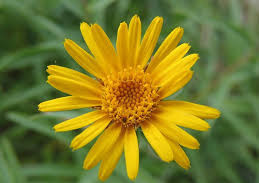
Modern research suggests that arnica contains biologically active compounds with anti-inflammatory effects, though the evidence for pain relief is mixed and generally less robust than for many modern medications. It's still found in some over-the-counter creams and gels marketed for bruising and muscle soreness.
Turmeric was used as an anti-inflammatory.

Not only was Turmeric used as a spice in cooking, it was also used as a joint supplement in traditional medicine in Southern Asia. Its active compound, curcumin, has been studied for anti-inflammatory properties, which is why it’s often associated with joint comfort and mobility today.
In traditional use, turmeric wasn’t a “supplement” in the modern sense—it was part of food, rituals, and herbal preparations. The idea of isolating curcumin into capsules or standardized extracts is a much more recent development.
Cold & Immune Support
Elderberry, natures cough syrup.
Used for centuries in traditional medicine, elderberry comes from the Sambucus nigra plant and was traditionally valued for supporting the body during colds and flu. It contains antioxidants and other natural compounds, and has traditionally been used in teas, syrups, and extracts to help soothe coughs and sore throats.

Modern research on elderberry's effects on cold and flu symptoms is still limited and mixed — some small studies suggest a possible modest benefit, but larger, more conclusive trials are lacking. It remains a popular natural remedy today, bridging traditional knowledge with modern wellness practices, rather than a proven substitute for cough medicine.
Wild Cherry bark was used to soothe airways.

Long before syrups filled the shelves, wild cherry bark (Prunus serotina) was used to calm coughs and support the respiratory system. Traditionally prepared as a tea or syrup, it helped soothe irritated airways, ease dry, persistent coughs, and promote more comfortable breathing.
Its natural compounds act as gentle cough suppressants while also supporting the lungs — making it a trusted remedy during seasonal illness. Sometimes, the old remedies still echo in what we use today.
Nature's immune booster, Echinacea.

Before modern “immune support” supplements and formulas, people used Echinacea (often called purple coneflower) in North American traditional medicine. Indigenous peoples, particularly in the Great Plains, used it for various ailments including infections, wounds, and general immune-related conditions.
In modern research, echinacea has been studied for its potential effects on immune function and the common cold. The results are mixed: some studies show a modest reduction in duration or severity of colds, while others find little to no significant effect. Differences in species, preparation, and dosage, likely contribute to the inconsistent findings.
Eucalyptus, natures vapor rub.

Eucalyptus (Eucalyptus globulus) was traditionally used to support clear breathing and ease congestion, long before chest rubs lined pharmacy shelves. Its aromatic oils were believed to help open the airways and create the cooling sensation now associated with commercial vapor rubs.
Traditionally, the leaves were infused in steam or oils and inhaled. Eucalyptol, a compound in the plant, has been studied for mild effects on airway comfort, and it's now a common ingredient in some over-the-counter cold remedies — but concentrated eucalyptus oil can be irritating or unsafe if used incorrectly, particularly in children, so it is worth using only products formulated and labelled for that purpose.
Keep a look out for Part 2: of Nature's Traditional Medicine Cabinet, as we continue to explore the remedies that were used before modern medicines.
Your Wellness Journey starts here

Disclaimer
This blog is intended as an informational guide. The information and any remedies described herein are meant to supplement and not be a substitute for professional medical care or treatment. They should not be used to treat a serious ailment without prior consultation with a qualified health care professional.


Comments